
If you grew up in the early 2000s, you likely remember the iconic, fast-paced opening credits of the beloved sitcom Malcolm in the Middle. Nestled among clips of vintage monster movies and wrestling matches is a fleeting shot of a grinning anime character drenched in the rain. For decades, fans wondered about the origin of that mysterious clip. The answer is Nazca—also known by its official Romaji title, Jikuu Tenshou Nazca—a 1998 fantasy anime that is infinitely more famous for its three seconds of sitcom fame than for anything it actually accomplished on screen.
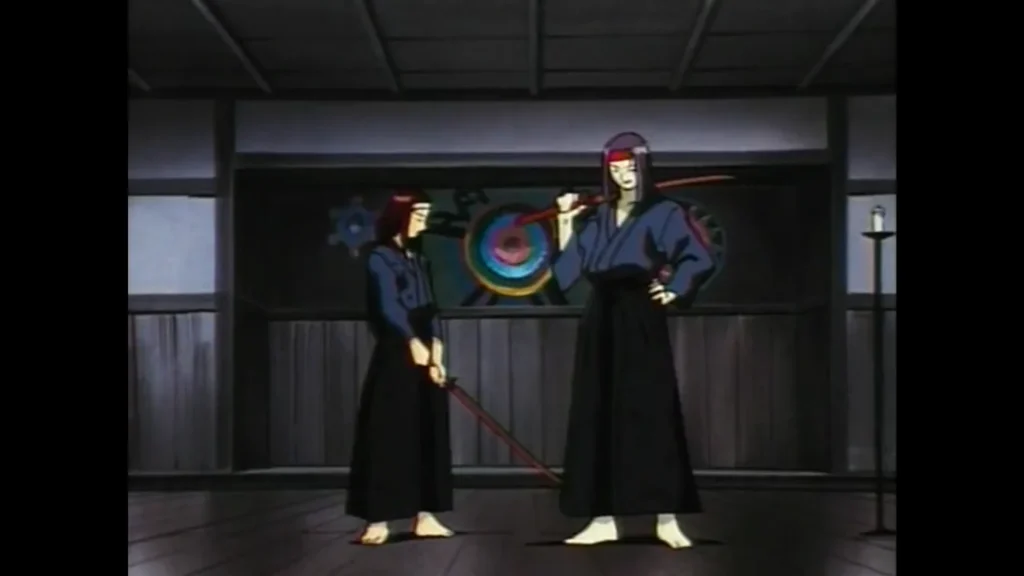
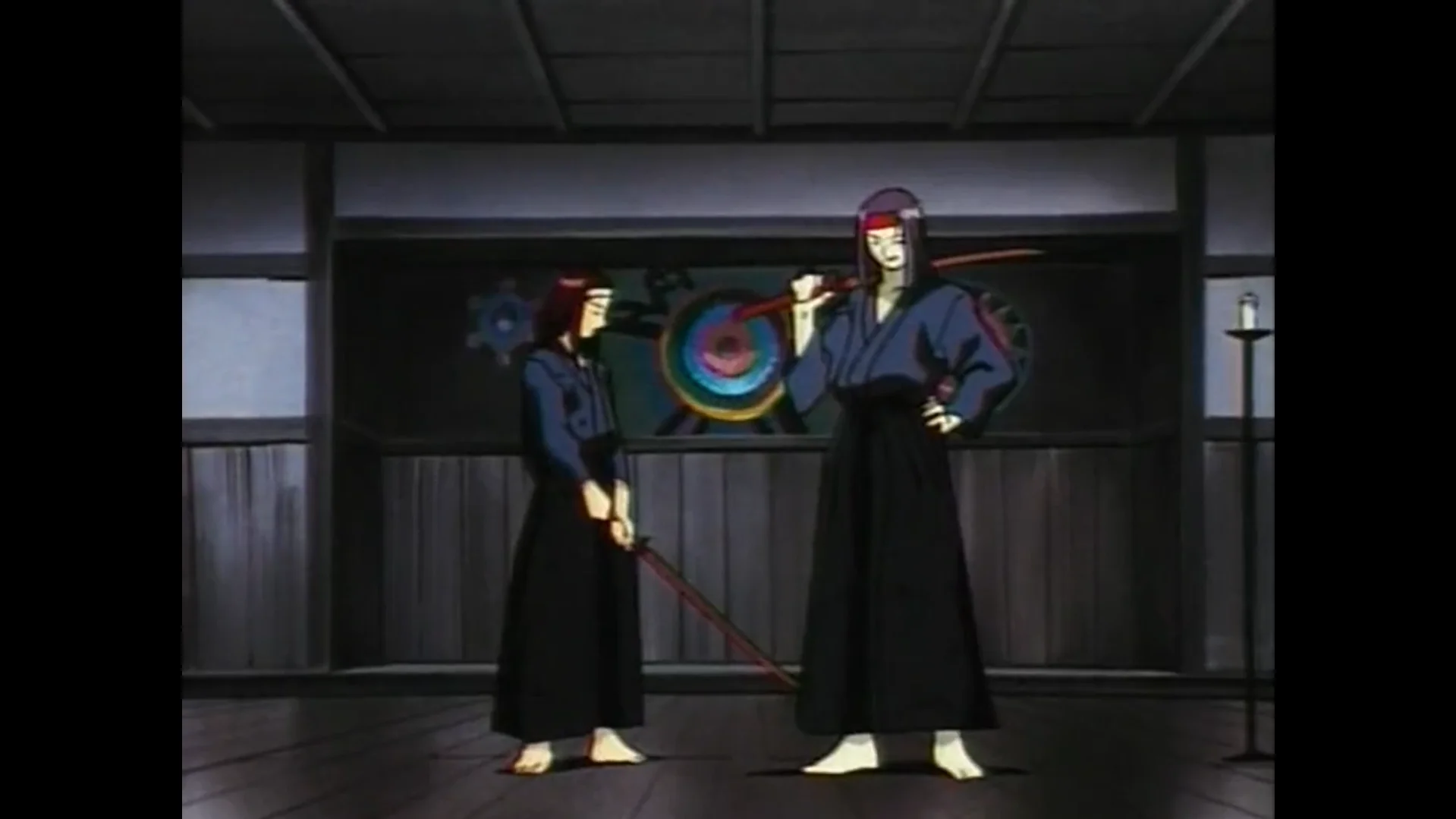
Going into this retro series with zero expectations is arguably the best approach. In fact, to quote the sitcom character Dewey, “I expect nothing, and I’m still let down.” While the late 90s produced titles that easily top any ranking of masterpiece anime, Nazca serves as a fascinating time capsule of the era’s localization practices, questionable early CGI, and rushed storytelling.
A Reincarnation Story With Squandered Potential
The narrative of Nazca centers around Kyoji Miura, a dedicated kendo student whose life unravels after a seemingly normal national tournament. He discovers that his mentor and team captain, Masanari Tate, is actually the reincarnation of an ancient Incan warrior named Yawaru. Driven by a twisted sense of justice, Yawaru is hellbent on destroying the modern world in order to purify it. To complicate matters, Kyoji realizes that he is the reincarnation of Bilka, the warrior who thwarted Yawaru’s apocalyptic plans in their past lives.
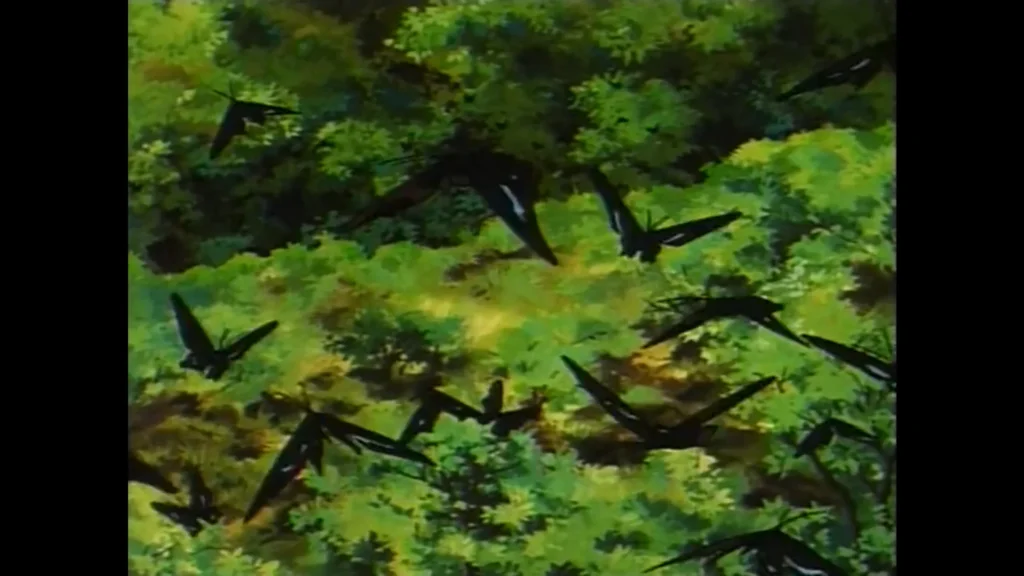
On paper, the premise holds mild potential. The concept of ancient spirits awakening in modern vessels to unleash the powers of nature is a classic trope that has fueled countless shounen and fantasy series. Kyoji’s internal struggle—wrestling with his destiny to determine whether he is merely a puppet for a reincarnated soul or his own man—is a solid foundation for character development. Unfortunately, the series quickly fumbles these promising ideas through disjointed pacing and an utter lack of natural progression.
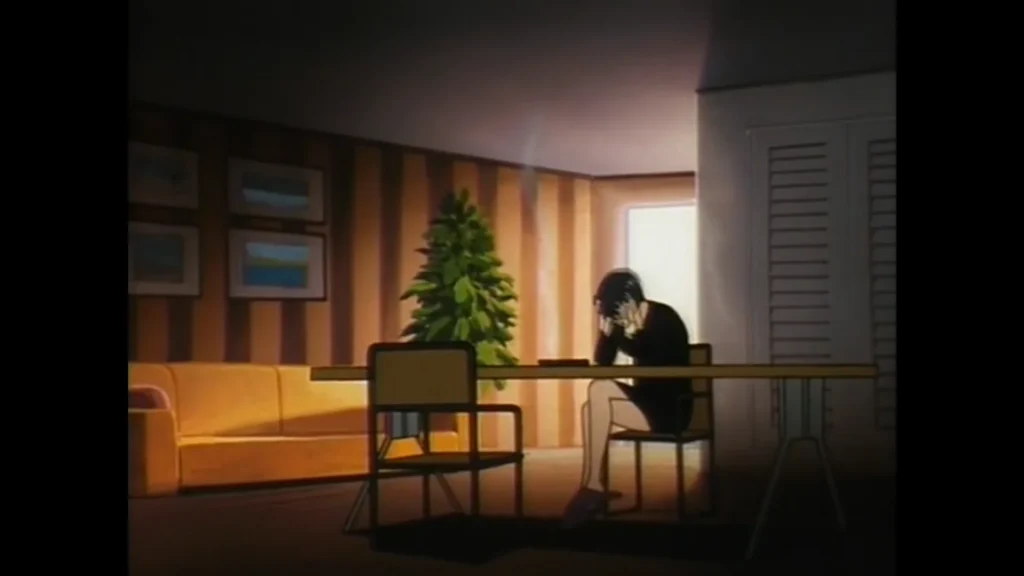
Scenes transition haphazardly, often leaving viewers confused about the timeline and location. In one jarring instance, it takes several episodes to realize the characters have flown across the globe to investigate ancient ruins. Instead of building tension, the anime frequently relies on characters sitting in a room, forcefully delivering exposition to explain events that the director failed to visually convey.
Stilted Dubbing and Hilariously Bad 90s CGI
During the anime boom of the late nineties, Western distributors often licensed obscure shows as bulk package deals to capitalize on the growing craze. This mass-market approach resulted in incredibly low-budget localizations, and the English dub of Nazca is a glaring casualty. The voice actors sound completely disengaged, delivering their lines with flat, emotionless monotones that suggest they were reading the script for the first time in the recording booth.
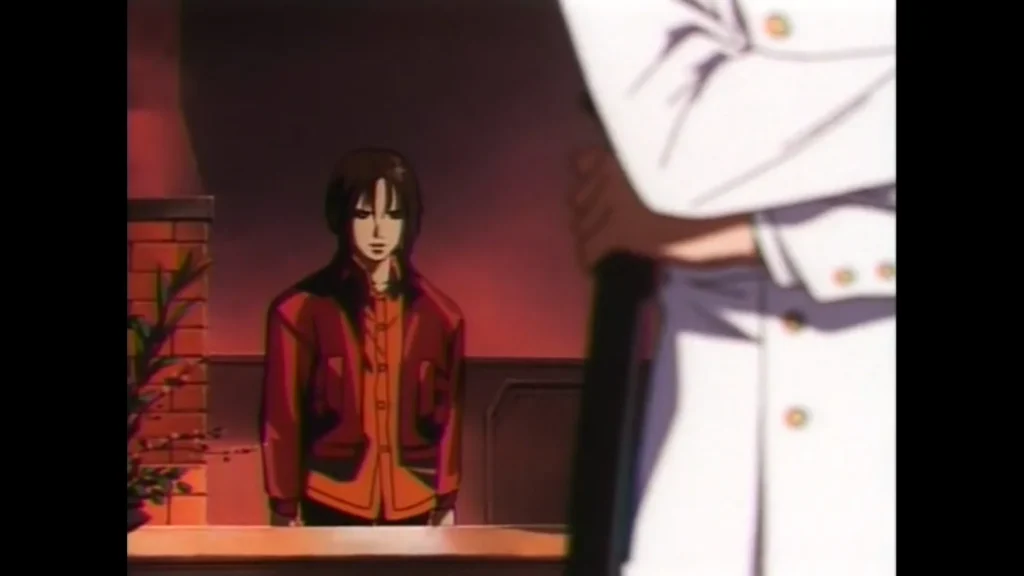
The dialogue itself is littered with forced profanity, featuring teenagers who sound like they have been chainsmoking for 20 years dropping unironic curses at every mild inconvenience. Switching to the original Japanese audio offers only a marginal improvement, as the core script remains largely uninspired.
Visually, the series is a chaotic mixed bag. While the traditional 2D character designs for the ancient past are somewhat interesting, the animation quality fluctuates wildly. However, the true spectacle is the implementation of 3D computer graphics. Every so often, the anime treats viewers to jarring, out-of-place 90s CGI environments. Watching hand-drawn characters slide awkwardly across a clunky, poorly rendered 3D floor is unintentionally hilarious. When you compare this to the breathtakingly seamless digital integration seen in modern hits like the latest Jujutsu Kaisen, it becomes abundantly clear just how far animation technology has advanced.
Manga vs. Anime: Two Different Kinds of Mess
In the spirit of fairness, evaluating the two-volume manga adaptation of Nazca reveals a completely different set of problems. Because the anime and manga cover the same core storyline, they act as bizarre companion pieces that fail to fix each other’s flaws. While the anime suffers from poor transitions, the manga’s pacing is even more rushed. Entire events are skipped, making a 10-day trip to Peru feel like a brief weekend getaway.
Characters are frequently introduced without any proper buildup, and the panel layouts can be confusing to read. However, the manga does succeed in expanding the lore. It dedicates more time to exploring the characters’ ancient pasts, fleshing out the dynamic between Tate and Kyoji. If you are looking for well-paced, cohesive action, you are much better off exploring a dedicated must-read fighting manga instead of this adaptation.
The manga also introduces an absurd but memorable element completely absent from the anime: a giant, talking cat-like creature resembling Red XIII from Final Fantasy VII. In the modern era, this majestic beast is reincarnated into the body of a tiny, mundane pet dog. It is arguably the only genuinely amusing joke in the entire franchise, and its exclusion from the anime is a tragic missed opportunity.
A Complete Disregard for Historical Accuracy
Perhaps the most baffling aspect of Jikuu Tenshou Nazca is its loose interpretation of world history. A quick dive into the actual Nazca culture reveals that the anime took massive, borderline nonsensical liberties with its source material. The creators threw historical accuracy out the window, casually tossing Aztec, Mayan, and Incan mythologies into a blender.
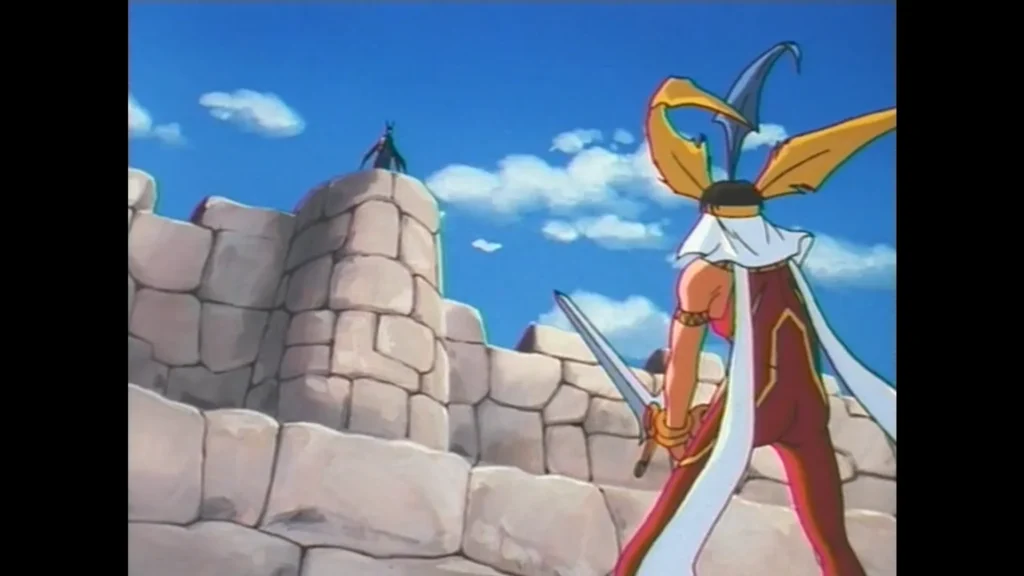
To make matters even more convoluted, the series shoehorns Japanese cultural elements—such as ancient South American warriors wielding katanas—into the mix. It is so far removed from reality that it functions entirely as its own fictional universe.
Frequently Asked Questions
What anime is in the opening credits of Malcolm in the Middle?
The anime featured in the opening theme song of Malcolm in the Middle is the 1998 series Nazca (Jikuu Tenshou Nazca). The specific clip shows the main character, Kyoji Miura, grinning while standing in the rain.
Is the Nazca anime historically accurate?
No, the series is highly inaccurate. It freely mixes distinct Mesoamerican and South American cultures—including the Incan, Aztec, and Mayan empires—while adding anachronistic Japanese elements like samurai swords.
Is Jikuu Tenshou Nazca worth watching?
Unless you are a hardcore completionist trying to watch every obscure, dark, edgy anime fans still cannot give up, or you simply want to solve a 20-year-old pop culture mystery regarding a sitcom intro, Nazca is safely skippable. It is best remembered as a piece of television trivia rather than a compelling standalone series.
